In an era dominated by fast fashion and ever-changing trends, old Lifestyle Fashion stands as a symbol of elegance, tradition, and enduring style. Rooted in classic aesthetics, quality craftsmanship, and cultural heritage, old lifestyle fashion is more than just clothing—it is a way of life that values simplicity, authenticity, and timeless appeal.
What Is Old Lifestyle Fashion?
Old lifestyle fashion refers to styles inspired by earlier decades and traditional ways of living. It draws from vintage, retro, and classic fashion eras where clothing was designed to last, both in durability and style. This fashion philosophy emphasizes well-tailored garments, neutral tones, natural fabrics, and refined details that never go out of fashion.
Unlike trend-driven fashion, old lifestyle fashion focuses on consistency, character, and personal identity rather than seasonal popularity.
Roots of Old Lifestyle Fashion
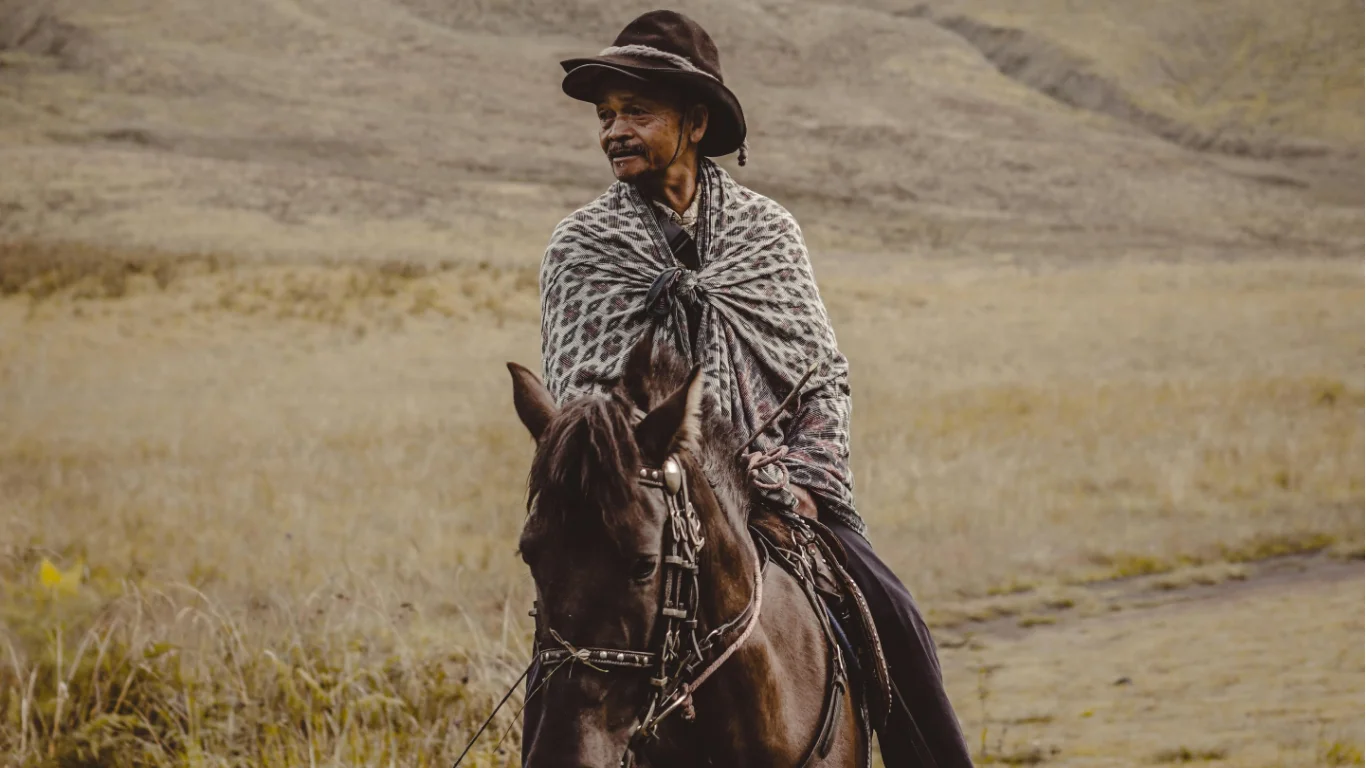
Old lifestyle fashion is deeply connected to history and culture. It reflects how people once dressed according to their daily lives, professions, and social values. From classic European tailoring and traditional ethnic wear to early 20th-century silhouettes, these styles tell stories of craftsmanship and intentional living.
Key influences include:
- Vintage fashion from the 1920s–1970s
- Traditional cultural clothing
- Classic “old money” and heritage styles
- Handmade and artisanal garments
Key Elements of Old Lifestyle Fashion
- Timeless Clothing Pieces
Items like tailored suits, trench coats, sarees, kurta sets, tweed jackets, and leather shoes are staples of old lifestyle fashion. These pieces transcend trends and remain stylish for decades. - Quality Over Quantity
Old lifestyle fashion values fewer, better-made garments. High-quality fabrics such as cotton, wool, linen, and silk are preferred for their durability and comfort. - Neutral and Earthy Colors
Shades like beige, brown, navy, black, olive, and off-white dominate this fashion style, creating a calm and sophisticated look. - Minimalism and Elegance
Rather than bold logos or loud designs, old lifestyle fashion focuses on clean lines, subtle patterns, and refined silhouettes.
Old Lifestyle Fashion in Modern Times
Today, old lifestyle fashion is experiencing a revival. As people become more conscious of sustainability and individuality, many are turning away from fast fashion and rediscovering classic styles. Vintage shopping, thrift culture, and slow fashion movements have made old lifestyle fashion more accessible and relevant than ever.
Modern styling blends old and new—pairing vintage clothing with contemporary accessories or adapting traditional outfits for everyday wear.
Why Old Lifestyle Fashion Matters
- Sustainability: Long-lasting clothing reduces waste and environmental impact.
- Authenticity: It encourages personal style instead of copying trends.
- Cultural Preservation: Traditional and classic fashion keeps heritage alive.
- Confidence: Timeless clothing often fits better and feels more refined.
How to Adopt Old Lifestyle Fashion
Start by building a wardrobe with classic essentials. Invest in well-made pieces, explore vintage stores, and choose outfits that reflect your personality rather than current trends. Accessories like watches, scarves, and leather bags can enhance the old lifestyle fashion aesthetic without overwhelming it.
Conclusion
Old Lifestyle Fashion is not about living in the past—it’s about bringing the best of the past into the present. By embracing timeless designs, quality craftsmanship, and mindful living, this fashion style offers a refreshing alternative to modern excess. Whether you’re inspired by vintage elegance or traditional heritage, old lifestyle fashion proves that true style never fades.