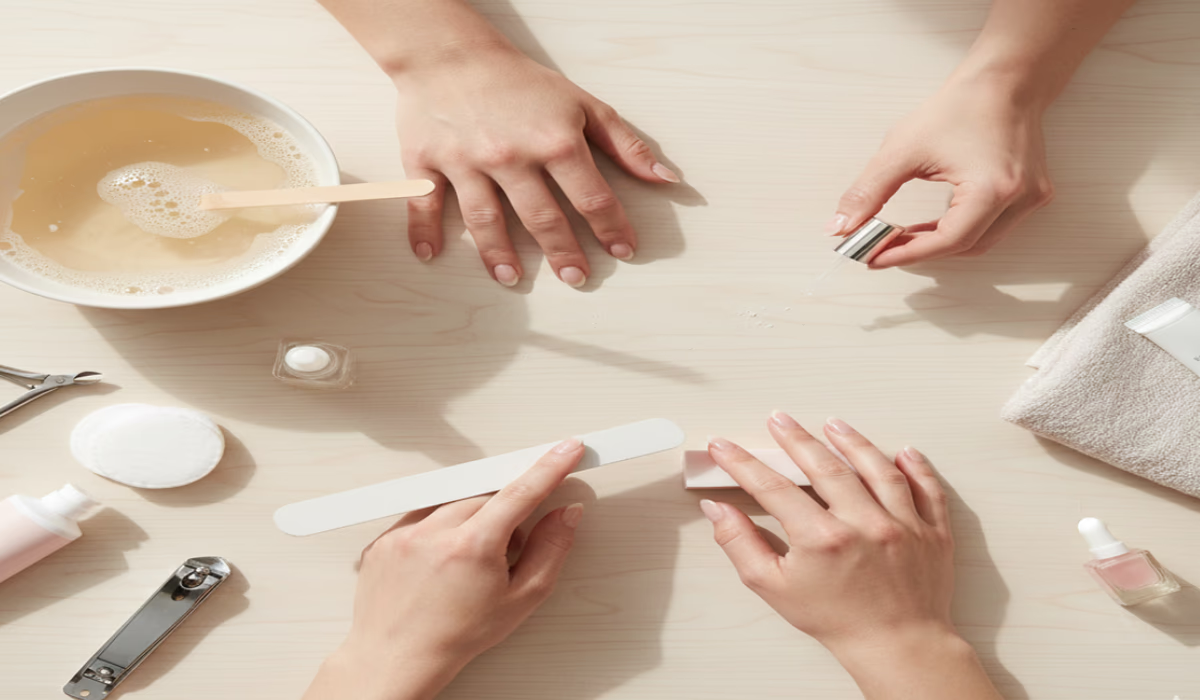
Taking care of your nails at home does not need to be complicated or expensive. With a few simple steps, you can maintain clean, healthy, and beautiful nails without visiting a salon. Good nail care keeps your nails strong, prevents breakage, and improves overall hand appearance. If you are new to nail care, starting with basic habits is the best way to create a routine you can follow consistently.
Beginners often feel unsure about how to properly trim, file, or care for their cuticles. The good news is that nail care is easy once you understand the right techniques. Following a regular nail care routine at home helps prevent common problems such as dryness, peeling, or uneven growth. Whether your nails are long, short, natural, or frequently polished, simple at-home tips can improve their strength and shine.
Start with Clean and Dry Nails
Clean nails are the foundation of good nail care. Dirt and oils can build up around the nail beds, affecting nail health and appearance. Washing your hands and nails with gentle soap removes bacteria and keeps the nail area fresh. Drying your hands completely is also important because moisture trapped under the nails can weaken them over time.
For beginners, focusing on cleanliness helps prevent infections and creates a smooth base for further nail care steps. Clean nails are easier to trim, file, and maintain. This simple habit ensures your nails stay hygienic and healthy every day.
Trim Your Nails Regularly
Regular trimming keeps your nails manageable and prevents breakage, especially if your nails tend to snag easily. Using a clean, sharp nail clipper ensures a smooth cut without tearing the nail plate. Beginners should trim nails straight across and follow their natural shape for the best results. Cutting too deep can cause pain or lead to ingrown nails.
After trimming, gently smooth the edges with a nail file to avoid rough spots. Shorter nails are easier to maintain and less likely to break while you are still learning nail care basics. Consistent trimming supports healthy nail growth and keeps your nails looking neat.
File Nails in One Direction
Filing your nails correctly prevents splitting and strengthens the edges. Beginners often make the mistake of filing in a back-and-forth sawing motion, which can weaken the nail layers. Instead, file in one direction using a gentle motion. This technique helps maintain smooth edges and preserves the nail’s natural structure.
Choose a fine-grit nail file, especially if your nails are sensitive or thin. Filing helps refine the shape of your nails and makes them look more polished. With regular practice, filing becomes an easy and relaxing part of your nail care routine.
Don’t Cut Your Cuticles — Push Them Gently
Cuticles protect your nails from bacteria and infections, so cutting them is not recommended, especially for beginners. Instead, use a cuticle pusher to gently push them back after softening them with warm water or cuticle oil. This keeps your nails neat without damaging the protective barrier around them.
Pushing your cuticles also creates more space on the nail surface for polish if you decide to paint your nails later. Healthy cuticles improve overall nail growth and prevent painful hangnails. Being gentle with your cuticles helps maintain better nail health in the long run.
Keep Your Nails Hydrated Daily
Moisture is essential for strong and flexible nails. Dry nails are more likely to peel, crack, or break, so keeping them hydrated makes a big difference. Beginners can use a hand cream, nail cream, or cuticle oil to nourish the nails and surrounding skin. Moisturizing also keeps cuticles soft and prevents roughness.
Applying oil or cream after washing your hands is a great habit to adopt. Hydrated nails look smoother and more polished. This simple step supports long-term nail growth and keeps your nails strong.
Use a Base Coat When Applying Nail Polish
If you enjoy painting your nails at home, a base coat is essential. A base coat protects your nail surface from staining and strengthens the nail plate. It creates a smooth canvas for nail polish and helps the color last longer without chipping. Beginners often skip this step, but it plays a big role in nail health.
Using a base coat also makes polish removal easier and gentler on your nails. Many base coats contain strengthening ingredients that support healthy growth. Including this step makes your at-home manicure look cleaner and more professional.
Avoid Harsh Nail Polish Removers
Acetone-based removers can dry out your nails and weaken them, especially when used frequently. Beginners should opt for gentle, non-acetone removers whenever possible. These formulas remove polish effectively without stripping the nails of natural moisture. If you must use acetone, follow it with cuticle oil and moisturizer.
Avoid peeling or scraping off polish, as this damages the nail layers. Gentle removal keeps your nails healthy and flexible. Choosing the right remover is a simple way to protect your nails during your at-home routine.
Buff Your Nails for Natural Shine
Buffing your nails creates a smooth, glossy finish without the need for polish. It removes ridges and improves the overall texture of the nail surface. Beginners should use a soft buffer and avoid pressing too hard to prevent thinning the nails. Light buffing once every two to three weeks is enough.
Buffing also increases circulation in the nail area, which may support healthier growth. It is a clean, simple way to enhance the appearance of your nails naturally. When done correctly, buffing adds a beautiful shine while protecting nail strength.
Wear Gloves for Protection
Everyday tasks like washing dishes, cleaning, or gardening can expose your nails to harsh chemicals and excessive water. Wearing gloves helps protect your nails from damage and dryness. Beginners should make this a regular habit to prevent weak or brittle nails. Gloves also safeguard your manicure and keep your hands soft.
Water exposure can cause nails to swell and weaken as they dry, leading to breakage. Keeping your nails protected during household chores strengthens them over time. This is one of the easiest ways to maintain healthier nails at home.
Keep Your Hands and Nails Moisturized Overnight
Nighttime is the perfect opportunity to give your nails deep hydration. Using a rich cream or overnight mask helps repair dryness and strengthen your nail plate. Beginners can apply a thick layer of hand cream and cuticle oil before bed for best results. You can even wear cotton gloves to lock in moisture.
Overnight care enhances flexibility and prevents your nails from becoming brittle. This habit supports overall nail health and improves texture. Consistent moisturizing helps your nails recover from daily stress and exposure.
Maintain a Healthy Diet for Better Nails
Nail health starts from within, so eating nutrient-rich foods supports strong and smooth nails. Protein, biotin, omega-3 fatty acids, and vitamins play a major role in nail growth. Foods like eggs, nuts, fish, leafy greens, and fruits help nourish your nails naturally. Beginners should focus on balanced meals for long-term improvement.
Staying hydrated also supports nail strength and prevents dryness. Drinking enough water helps nails grow more evenly and look healthier. Healthy eating combined with regular care leads to stronger nails over time.
Avoid Using Nails as Tools
Using your nails to open cans, scratch surfaces, or pull objects can lead to painful breaks. Beginners should always use their fingertips instead of their nails for everyday tasks. This prevents stress on the nail plate and reduces the risk of cracks or splits. Protecting your nails helps them stay strong and intact.
Being mindful during daily activities prevents accidental damage. This simple habit supports nail growth and reduces breakage. Treating your nails gently is one of the easiest ways to maintain their strength.
Give Your Nails a Break from Polish
Allowing your nails to breathe every few weeks helps prevent discoloration, dryness, and thinning. Beginners should avoid wearing polish constantly, especially if they are still learning proper nail care. A polish break gives your nails time to restore their natural oils and balance. This leads to healthier growth and stronger nail structure.
During this break, focus on hydration, trimming, and cuticle care. A few days of rest can make a big difference in nail appearance and strength. Giving your nails time to recover supports long-term health.
Final Nail Care Tips at Home for Beginners
Nail care at home can be simple, relaxing, and effective—even for beginners. By following basic steps like trimming, moisturizing, and protecting your nails, you can maintain healthy and beautiful results. Consistency is the key to strong nails, so adopting small habits makes a big difference over time. With the right care, your nails will become smoother, stronger, and easier to manage. Starting with these beginner-friendly nail care tips helps you build a routine you can maintain effortlessly.
FAQs
What is the most important step in nail care for beginners?
Regular moisturizing and proper trimming are the most important steps for overall nail health.
How often should I trim my nails at home?
Trimming every one to two weeks helps maintain shape and prevents breakage.
Should beginners cut their cuticles?
No, it is safer to gently push cuticles back instead of cutting them.
What can I use to strengthen weak nails?
Cuticle oil, nail creams, and a balanced diet help strengthen weak or brittle nails.
Can I care for my nails without using polish?
Yes, buffing, moisturizing, and shaping your nails keeps them healthy even without polish.