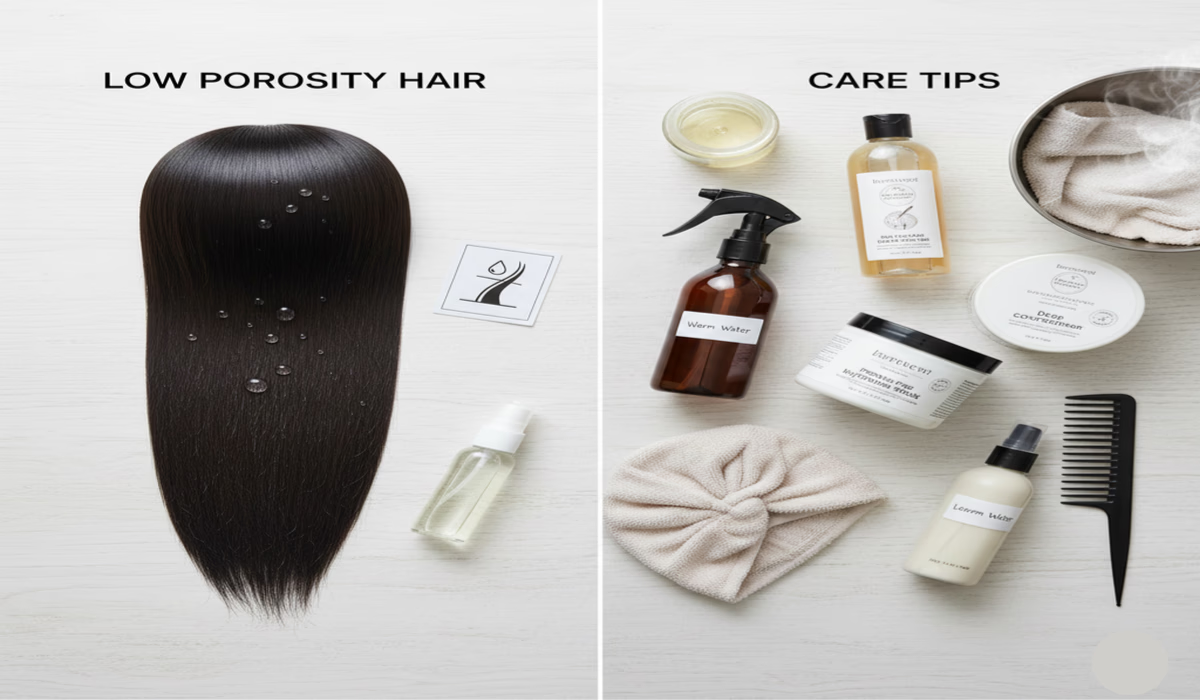
Low porosity hair is known for being resistant to moisture, which can make it challenging to maintain softness, shine, and hydration. Many people with low porosity hair struggle with dryness, product buildup, and slow absorption of oils or conditioners. The cuticles in low porosity hair are tightly packed, making it difficult for moisture to enter the hair shaft. Understanding how to care for this hair type helps you choose the right products and techniques to maintain healthy, hydrated hair.
With the right low porosity hair care tips, you can overcome these challenges and build a simple yet effective routine. Low porosity hair requires moisture, lightweight products, and specific methods that allow hydration to penetrate deeply. When you follow the correct steps consistently, your hair becomes easier to manage, less frizzy, and more nourished. This guide covers everything you need to know about caring for low porosity hair, including washing, conditioning, styling, and product selection.
Understanding Low Porosity Hair
Low porosity hair has tightly closed cuticles that block moisture from entering the strands. Although this keeps the hair structure strong, it also makes hydration difficult. When products sit on top of the hair rather than absorbing, buildup forms easily. This often leads to dryness, stiffness, or dullness, even if you are using moisturizing products. Recognizing the characteristics of low porosity hair helps you adjust your routine effectively.
People with low porosity hair often notice that water beads on their strands before soaking in. Additionally, creams and oils may feel heavy or sticky when applied. These signs make it clear that this hair type needs lightweight products and heat-based techniques to help open the cuticles. With proper care, low porosity hair can stay soft, strong, and beautifully hydrated.
Use Warm Water to Wash Your Hair
Washing low porosity hair with warm water is one of the easiest ways to help moisture enter the hair shaft. Warm water gently lifts the cuticles, allowing shampoos and conditioners to work more effectively. When the cuticles open slightly, hydration can penetrate deeper, making your hair feel softer and cleaner. This step also helps break down product buildup, which is common in low porosity hair.
Avoid using water that is too hot, as it can dry out your scalp and weaken your strands. Lukewarm water is ideal for maintaining balance while improving moisture absorption. Incorporating warm-water washing into your routine improves your hair’s hydration and overall texture. It sets the foundation for the rest of your low porosity hair care steps.
Choose Lightweight, Water-Based Products
Low porosity hair responds best to lightweight, water-based products that absorb quickly. Heavy creams, butters, and thick oils often sit on the surface and lead to buildup. Instead, look for products that contain humectants like aloe vera, glycerin, honey, or hyaluronic acid. These ingredients attract moisture and help your hair stay hydrated throughout the day.
Lightweight leave-in conditioners and serums work especially well because they deliver moisture without weighing the hair down. Reading product labels can help you avoid formulas that are too thick for your hair type. By choosing the right products, you ensure that your hair receives the moisture it needs without buildup or heaviness.
Incorporate Heat During Conditioning
One of the most effective low porosity hair care tips is using heat to help conditioners penetrate. Applying conditioner without heat may not give your hair the moisture it needs, because low porosity cuticles naturally stay closed. You can use a warm towel, steamer, or heated cap to gently open the cuticles and help the conditioner sink in. This improves both hydration and softness.
Heat-based conditioning is especially beneficial when using deep conditioners. Only a small amount of heat is needed, and it makes the treatment far more effective. With regular use, you’ll notice that your hair becomes more manageable and retains moisture for longer. Heat-assisted conditioning transforms the way low porosity hair absorbs moisture.
Avoid Heavy Oils and Butters
Heavy oils like castor oil, shea butter, and cocoa butter can weigh low porosity hair down and cause buildup. These products may feel rich and nourishing, but they often sit on top of tightly sealed cuticles. Instead, opt for lighter oils such as argan, grapeseed, sweet almond, or jojoba oil. These lighter options absorb faster and provide hydration without leaving residue.
Light oils work well for sealing in moisture after conditioning. They also enhance shine and help reduce frizz without making your hair greasy. By choosing the right oils for your hair type, you can maintain softness and manageability while avoiding buildup. Lightweight oils support healthy hair growth and prevent unnecessary heaviness.
Use Clarifying Shampoo Regularly
Clarifying shampoos are essential for low porosity hair because buildup happens quickly with this hair type. Product residue can make the hair look dull, stiff, or coated. Using a clarifying shampoo every two to four weeks helps remove buildup and reset your hair. Once buildup is removed, your conditioners and stylers can work more effectively.
When choosing a clarifying shampoo, look for a formula that cleans without stripping your hair completely. Overuse of clarifying shampoos may dry out your strands, so balance is important. Regular clarifying helps maintain a clean scalp and healthy hair, making your routine more effective overall. It allows your hair to absorb moisture properly again.
Deep Condition Weekly for Optimal Moisture
Deep conditioning is extremely important for low porosity hair because it adds hydration that everyday conditioners may not provide. A weekly deep conditioning session helps strengthen your hair, reduce breakage, and improve elasticity. Look for deep conditioners that contain lightweight oils, proteins, and humectants that support moisture retention.
Using heat during deep conditioning improves absorption and helps your hair stay hydrated for days. Over time, your hair becomes softer, smoother, and less prone to tangling. Making deep conditioning a regular part of your routine ensures long-term moisture and health. This is one of the best habits you can build for low porosity hair.
Avoid Protein Overload
Low porosity hair often becomes stiff or dry when exposed to too much protein. While some protein is necessary for strength, excess protein creates imbalance. Protein-treated products can make low porosity hair feel brittle or rough, especially when used too frequently. If your hair feels hard after using a product, it may contain too much protein for your needs.
To avoid protein overload, choose conditioners and treatments labeled “moisturizing” rather than “strengthening.” If your hair requires protein, use it sparingly and follow with a moisturizing conditioner. Finding the right balance helps your hair stay flexible, soft, and hydrated. Observing how your hair reacts to protein ensures your routine remains effective.
Use Lightweight Leave-In Conditioners
Leave-in conditioners are essential for low porosity hair because they provide moisture that lasts throughout the day. Lightweight leave-ins work best because they absorb quickly and do not leave residue behind. Look for leave-in products with water as the first ingredient, as water-based formulas penetrate low porosity cuticles more effectively.
A good leave-in conditioner makes detangling easier and enhances softness. It also prepares your hair for styling by adding moisture that protects against dryness. When used regularly, leave-in conditioners help prevent breakage and support healthy hair growth. Adding a lightweight leave-in to your routine is a simple way to keep your hair hydrated and manageable.
Try the LCO Method Instead of LOC
For low porosity hair, the LCO method (Liquid, Cream, Oil) is often more effective than the LOC method (Liquid, Oil, Cream). This is because applying oil before cream can block moisture from entering the hair shaft. The LCO method adds moisture first, followed by cream for hydration, and finally oil to seal everything in. This order helps your hair stay moisturized longer.
The LCO method uses lightweight layers that absorb better in low porosity hair. It prevents your strands from feeling greasy or weighed down while still locking in moisture. Experimenting with the LCO method can help you discover the perfect balance for your hair. Many people with low porosity hair see immediate improvement when switching to this method.
Avoid Overusing Hair Products
Using too many hair products can create buildup that blocks your hair from absorbing moisture. Low porosity hair requires simplicity, not heavy layering. Stick to essential products like shampoo, conditioner, leave-in, and light oil. When styling, use small amounts of product and adjust based on how your hair feels.
By minimizing your product use, you keep your hair lighter and easier to manage. Less product also reduces the wash frequency needed to remove buildup. A minimalistic routine helps your hair breathe and absorb hydration more efficiently. Keeping your routine simple is a key strategy for low porosity hair care.
Be Patient – Low Porosity Hair Takes Time to Absorb Moisture
Low porosity hair can be slow to absorb moisture, so patience is essential. Even with the right products, your hair may take time to show results. Consistent care, weekly deep conditioning, and gentle handling help your hair become more hydrated over time. The key is to stick with a routine that supports moisture retention.
With regular maintenance, you will notice improvements in shine, softness, and manageability. Low porosity hair may require more time, but it rewards you with long-lasting hydration and strength. Patience and consistency lead to healthy and beautiful hair.
Conclusion
Low porosity hair may seem difficult to manage, but with the right routine and techniques, you can maintain soft, shiny, and hydrated strands. Understanding how your hair absorbs moisture is the key to choosing the best products and methods. Lightweight formulas, heat-assisted conditioning, clarifying shampoos, and simple routines make caring for low porosity hair much easier. By following these effective low porosity hair care tips, you can reduce dryness, prevent buildup, and support healthy hair growth. With consistency and proper care, your hair can reach its full potential.
FAQs
How do I know if I have low porosity hair?
Low porosity hair repels water, takes longer to dry, and experiences product buildup easily. Water often beads on top instead of soaking in.
How often should I deep condition low porosity hair?
Deep condition once every week using lightweight, moisturizing treatments and gentle heat for best results.
Which oils are best for low porosity hair?
Lightweight oils like argan, sweet almond, grapeseed and jojoba oil absorb well without causing buildup.
Can I use protein treatments on low porosity hair?
Yes, but sparingly. Too much protein can make low porosity hair stiff or dry, so use moisturizing products more frequently.
How do I prevent product buildup in low porosity hair?
Use clarifying shampoo every 2–4 weeks and choose lightweight, water-based products to avoid heavy residue.