There may be times when you do not have nail clippers available, or they may be dull, broken, or misplaced. In such situations, knowing how to cut your nails without traditional clippers can be extremely helpful. Many everyday tools can help you trim, shape, and shorten your nails safely. As long as you use the right technique, you can maintain neat and clean nails without causing damage.
Cutting your nails without clippers takes a bit more patience, but it is completely possible and safe when done correctly. The key is to soften your nails first and then use gentle methods to shape them. This article will guide you through multiple ways to trim your nails using common household items such as scissors, files, or even your own hands. These beginner-friendly tips will help you maintain good nail hygiene anytime you need it.
Soften Your Nails Before Cutting
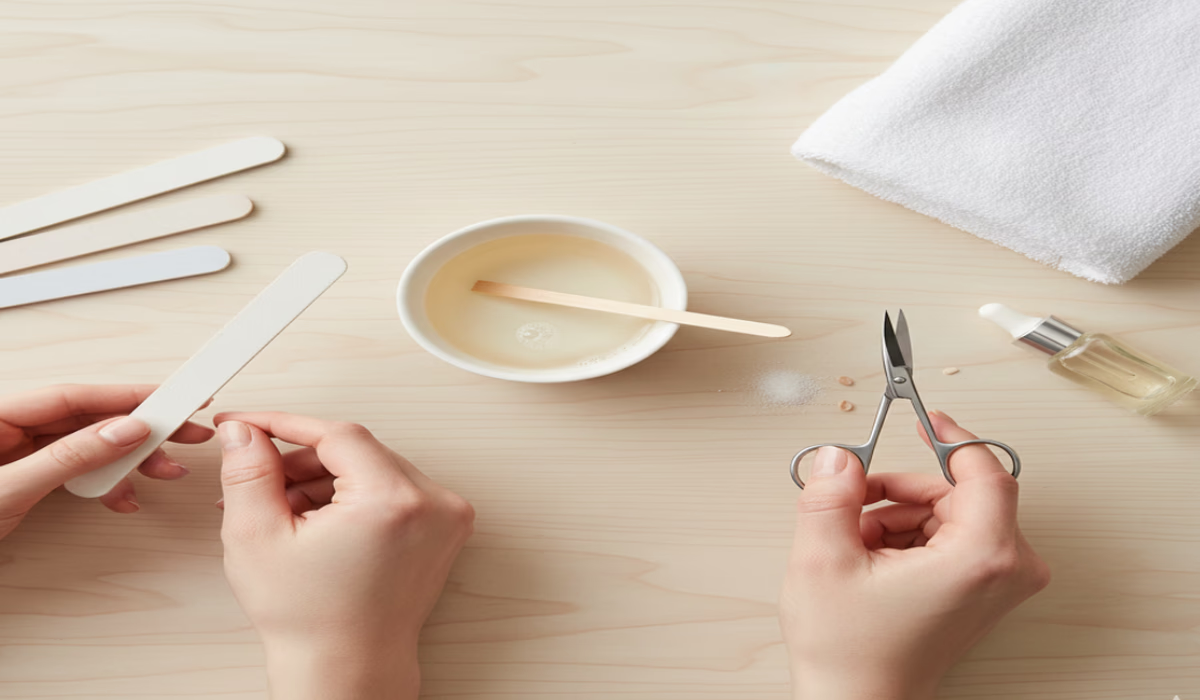
Softening your nails is the most important first step when you don’t have clippers. Hard or dry nails are more likely to tear, split, or break unevenly. Soaking your hands in warm water makes your nails flexible and easier to shape. You can add a few drops of liquid soap or olive oil to make the soak more nourishing.
Soak your nails for at least 5 to 10 minutes to soften them properly. Once your nails are hydrated, they become easier to trim with scissors, files, or other alternative tools. This simple step helps reduce damage and prevents painful breaks. Soft nails allow for cleaner and smoother results when cutting them without clippers.
Use Small Scissors for Precision Trimming
Small household scissors or eyebrow scissors can serve as a good replacement for nail clippers. These scissors are usually sharp and allow for precise trimming. Always make sure the scissors are clean to avoid any infections. Position them at a slight angle and trim small sections at a time to prevent cutting too deeply.
This method works best when your nails are soft and the scissors are sharp enough to make smooth cuts. Avoid using large kitchen scissors because they are too bulky and may cause uneven cuts. With patience and slow movements, scissors can help you shape your nails safely and neatly.
Use a Nail File to Shorten and Shape Your Nails
A nail file is one of the safest tools for trimming nails without clippers. Instead of cutting, you gently file the edges until they become shorter. This method takes more time, but it prevents breakage and gives your nails a smooth, even shape. Filing is especially helpful for people with brittle or easily damaged nails.
Always file in one direction instead of a back-and-forth sawing motion. One-direction filing helps prevent splitting and keeps the nail structure strong. A medium-grit or fine-grit file works best for gradual shaping. This is an excellent option for beginners or anyone looking to maintain nail health while trimming without clippers.
Try Using a Rough Surface in an Emergency
If you don’t have a nail file, you can use a rough household surface as a substitute. Surfaces like a matchbox striker, emery board, or even a piece of fine sandpaper can help shorten nails. Rub the edge of your nail against the rough surface in one direction until you achieve the desired length.
This method should be used gently to avoid damaging the nail edges. It is best for quick fixes when you need to shorten your nails urgently. Although it may not provide a professional finish, it works effectively when no other tools are available. Always clean your nails afterward to remove dust or debris.
Peeling or Breaking Nails by Hand (Only When Necessary)
In some cases, especially when your nails are very soft after soaking, you can shorten them by gently peeling or bending them. This method should only be used in emergencies, as it can sometimes cause uneven edges. Soft nails can be bent back and forth until they naturally break off. The break will be cleaner when your nails are fully hydrated.
After breaking the nail, use a file or rough surface to smooth the edge. Avoid peeling dry nails because they can tear too far down and cause pain. This method is quick but should be followed by gentle smoothing to avoid future splitting or snags.
Use Hair Cutting Scissors for Cleaner Cuts
Hair cutting scissors are sharper than regular household scissors and can provide a cleaner result. These scissors are designed for precision and sharp edges, making them ideal for trimming soft nails. Ensure the blades are clean and disinfected before using them on your nails.
Cut small sections at a time to avoid taking off too much length at once. Hair scissors allow for controlled movements and reduce the risk of tearing. This method is useful if you need an accurate cut but do not have nail clippers on hand.
Use Cuticle Nippers for Small Trims
Cuticle nippers are not designed to replace nail clippers entirely, but they can help trim small areas of your nails. They are sharp and allow for detailed trimming around the corners. This method works best for shaping or rounding edges rather than trimming large sections.
Beginners should use cuticle nippers carefully because pressing too hard can cause damage. Use them to trim hangnails or small bits of excess nail that are difficult to reach with scissors. Always disinfect your nippers before use to ensure safety.
Use Toenail Clipper Techniques Without Tools
If you have no tools at all, there are still ways to maintain your nails until you can get proper tools. After softening your nails, you can gently press the tips against a flat surface to flatten them. This adds natural pressure and may help break the nail cleanly. It is not the most precise method, but it can help when no tools are available.
Another trick is to press your nails against each other in a way that encourages bending and breaking at the desired length. This requires extra care to avoid tearing too deeply. Always follow up with smoothing the edges using a rough surface, if available.
Use a Metal Spoon to Shape Nails
A metal spoon may seem unusual, but the curved edge can act like a gentle shaping tool. After softening your nails, use the spoon’s edge to press or scrape along the nail tip. This pressure can help bend and remove small pieces of the nail. It is safer than peeling because the spoon gives you more control.
The spoon method is slow but prevents deep cracks, especially for thin nails. Once the tip breaks naturally, smooth the edge using a file or similar rough surface. This technique is handy when you want a controlled break but lack cutting tools.
Smooth the Edges After Trimming
No matter which method you use, finishing the process by smoothing the nail edges is essential. Rough edges can snag on clothing and cause peeling or breakage. A nail file, sandpaper, or any mildly rough surface can help refine the shape. Smooth edges also make your nails look cleaner and more polished.
Smoothing takes only a few minutes and reduces the risk of nail damage. It also makes it easier to maintain your nails between trims. This final step ensures your nails remain strong and neat, even without using traditional clippers.
Apply Moisturizer or Oil After Trimming
Moisturizing your nails and cuticles helps maintain flexibility and prevents dryness. After trimming your nails without clippers, the nail edges may be more exposed, making hydration even more important. Apply cuticle oil, hand cream, or even olive oil to nourish the nails and surrounding skin.
Keeping your nails moisturized promotes healthy growth and reduces breakage. Hydration also enhances the appearance of your nails, giving them a smooth and healthy shine. Make this a regular part of your nail care routine for long-lasting results.
Keep Nails Clean to Prevent Breakage
Clean nails are less likely to crack, peel, or break. Dirt and bacteria can weaken the nail structure over time. Wash your hands regularly and gently clean under your nails with a soft brush. This keeps your nails strong and reduces the risk of infection.
Cleanliness also makes trimming easier and safer. When your nails are clean, alternative trimming techniques work more effectively. This simple habit helps maintain strong and healthy nails even without professional tools.
Avoid Using Your Nails as Tools
Using your nails to open lids, scratch hard surfaces, or pull objects can lead to accidental breaks. This is especially important when you cannot trim your nails with clippers. Treat your nails gently to keep them strong and prevent uneven damage. Using your fingertips instead of your nails helps preserve nail health.
Being careful with your nails daily reduces the need for frequent trimming. When nails are preserved, alternative cutting methods become easier and safer. Protecting your nails is one of the best ways to maintain their strength and appearance.
Know When to Use a Proper Nail Clipper
While these methods are helpful in emergencies, nail clippers are still the safest and most precise tool for trimming nails. If your nails are thick, very long, or uneven, using a proper clipper is best. These alternative methods are ideal when you need a quick solution, but they should not replace regular nail care tools entirely.
When possible, choose good-quality nail clippers to maintain proper hygiene. Investing in a reliable clipper helps you maintain neat, healthy nails more easily. These at-home alternatives are best used temporarily until you can replace or find your clippers.
Conclusion
Cutting your nails without nail clippers may seem difficult, but with the right methods, it can be safe, simple, and effective. By softening your nails first and using gentle trimming techniques, you can easily maintain neat and clean nails. Everyday items like scissors, files, and even household surfaces can help shape your nails in emergencies. The key is to work slowly, avoid forcing the nail, and finish by smoothing the edges. With proper care and regular moisturizing, you can keep your nails healthy even without traditional tools. These beginner-friendly techniques will help you manage your nails anytime, anywhere.
FAQs
Can I safely cut my nails without nail clippers?
Yes, as long as you soften your nails first and use safe tools like scissors or a nail file.
What is the safest tool to use instead of nail clippers?
A nail file is the safest option because it gradually shortens nails without causing damage.
Can I peel my nails to shorten them?
Only if your nails are very soft, but it should be done carefully to avoid tearing too far.
What can I use if I don’t have a nail file?
You can use sandpaper, a matchbox striker, or any rough surface as a substitute.
Why is soaking my nails important before trimming?
Soaking softens the nails, making them easier to trim and reducing the risk of breakage.