Gel polish is popular for its long-lasting shine and durability, but it can leave your nails feeling weak or dehydrated once it’s removed. Many people notice their nails become brittle, thin, or sensitive after the removal process, especially if the polish was peeled off instead of soaked. Proper aftercare is essential to restore nail strength and maintain a healthy appearance. Taking the right steps can help your nails recover quickly and prevent long-term damage.
Learning how to care for nails after removing gel polish makes a big difference in your nail health. Simple habits like moisturizing, strengthening, and giving your nails a break can dramatically improve their condition. With consistent care, nails can return to being smooth, flexible, and strong. This guide provides everything you need to know to restore your nails safely and effectively after gel polish removal.
Gently Buff the Nail Surface
After removing gel polish, the nail surface may feel rough or uneven. Using a soft nail buffer helps smooth out the texture without causing additional thinning. Gentle buffing removes any leftover residue and creates a clean surface for future nail treatments. Avoid using harsh or coarse buffers, as they can damage already sensitive nails.
Buffing should always be done lightly to prevent weakening the nail plate. A few slow strokes are enough to polish the surface and improve the appearance of the nails. This simple step helps your nails look healthier while preparing them for moisturizing treatments.
Apply Cuticle Oil Daily for Hydration
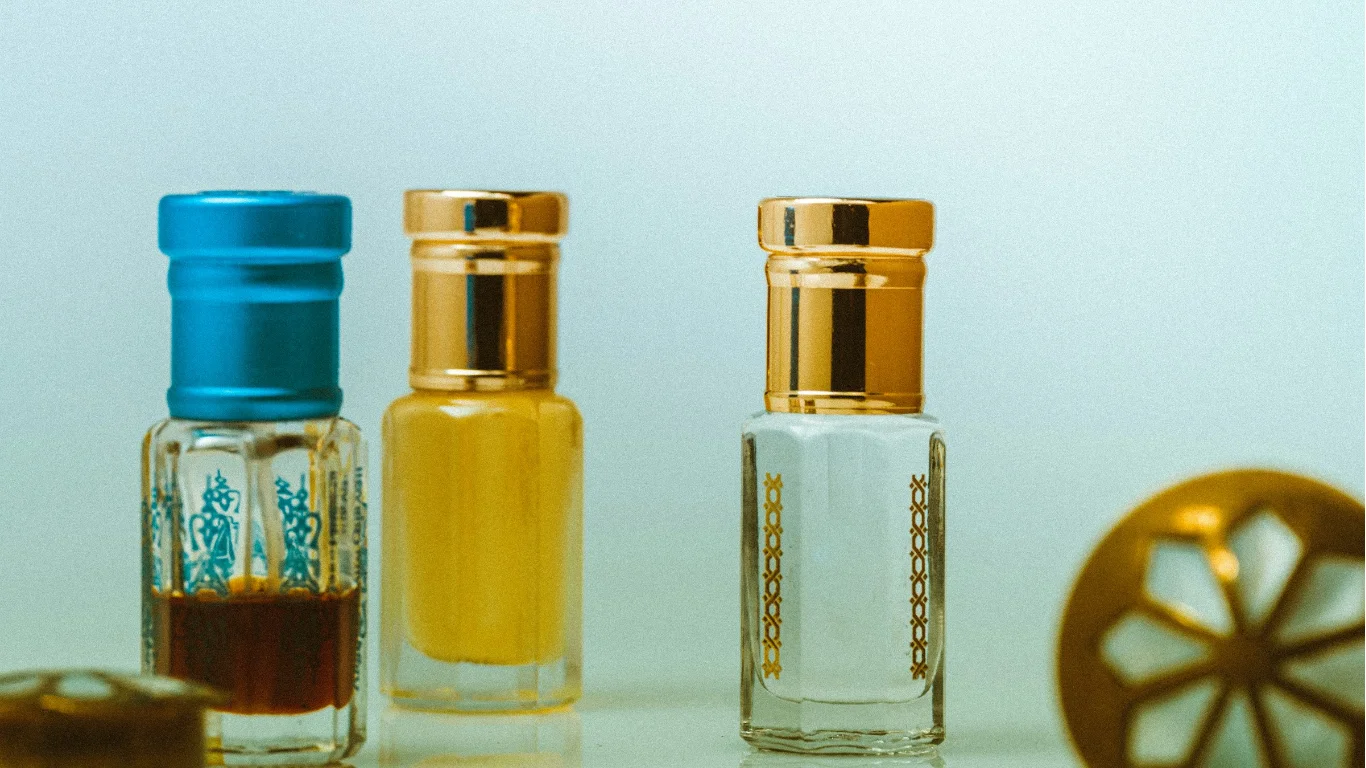
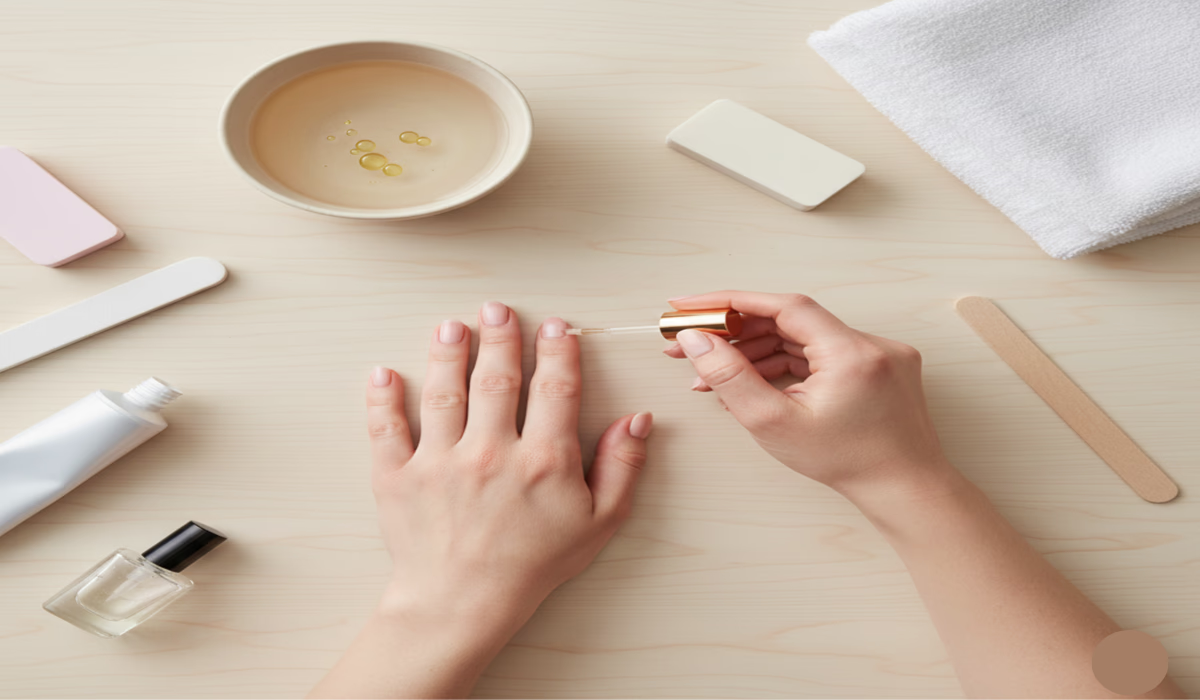
Cuticle oil is one of the most important products for restoring nail health after gel removal. It hydrates the cuticles, prevents dryness, and strengthens the nail plate. Daily use improves flexibility and reduces breakage, which is common after wearing gel polish for several weeks. Nourished cuticles also promote healthier nail growth.
You can use oils like jojoba, almond, vitamin E, or a dedicated cuticle serum. Apply a drop to each nail and gently massage it in to boost blood circulation. Consistent use helps repair dryness caused by gel polish and acetone, making your nails look soft and well-maintained.
Moisturize Your Hands and Nails Regularly
Hydration is essential because gel polish and acetone tend to remove natural oils from your nails. Dry nails become brittle, which leads to peeling, cracking, or splitting. A rich hand cream or nail-specific moisturizer helps replenish lost moisture and improves nail elasticity. Look for creams containing shea butter, hyaluronic acid, or glycerin.
Applying moisturizer several times a day keeps your nails flexible and prevents new damage. Massaging the cream into your nails increases absorption and supports healthy growth. Consistent moisturizing builds a protective barrier that restores comfort and shine to your hands and nails.
Use a Nail Strengthener to Rebuild Nail Structure
A nail strengthener is extremely beneficial after gel polish removal because it helps reinforce thin or weakened nails. Many formulas contain proteins, keratin, or calcium that support the natural repair process. Strengtheners prevent peeling and splitting, especially when your nails are recovering from dehydration. Applying it regularly helps rebuild firmness and durability.
Be sure to follow the instructions on the bottle, as some strengtheners require daily application while others work best weekly. Avoid overly harsh formulas that contain strong chemicals, as they may cause increased brittleness for sensitive nails. A gentle strengthening treatment provides long-term improvement and makes your nails more resilient.
Trim and File Your Nails Properly
Keeping your nails trimmed helps prevent breakage while they are in the recovery stage. Shorter nails are less likely to snag or split, especially when they are still fragile after gel removal. Use a clean, sharp nail clipper to trim your nails evenly and avoid rough edges. Following trimming, shaping them with a soft nail file helps maintain a smooth and neat appearance.
Always file in one direction rather than using a back-and-forth sawing motion. This protects the nail layers from separation and reduces thinning. Proper trimming and filing maintain your nails’ strength and help them recover more quickly after gel treatments.
Give Your Nails a Break from Polish
One of the most effective ways to care for your nails after removing gel polish is to let them rest. Nails that have been covered for weeks need exposure to air to regain strength and hydration. Avoid using gel, acrylics, or even regular nail polish for at least one to two weeks. This break allows your nails to recover naturally.
During this period, focus on moisturizing and strengthening routines instead of cosmetic enhancements. While bare nails may feel unusual at first, they will become healthier with consistent care. Giving your nails time to breathe prevents long-term damage and keeps them strong enough for future manicures.
Avoid Peeling or Picking at Your Nails
If your nails start to peel or flake after gel removal, avoid the temptation to pull at loose layers. Peeling causes deeper layers of the nail plate to lift, which leads to thinning and long-term weakness. Instead, gently file away any rough edges and apply strengthening products to encourage recovery. Picking only delays the healing process and increases the chances of breakage.
Keeping your nails short and moisturized reduces the urge to peel or pick. The more careful you are during the recovery period, the smoother and stronger your nails will become. Avoiding aggressive habits is a simple way to protect your nails from further damage.
Use a Keratin Treatment for Extra Strength
Keratin treatments are ideal for nails that feel soft or bending after gel removal. Keratin is a natural protein that helps rebuild nail structure and thickness. Applying a keratin serum or treatment a few times a week boosts strength and accelerates recovery. These treatments penetrate the nail plate and repair areas weakened by polish or acetone.
You can choose between leave-on serums or keratin-infused base coats depending on your preference. Regular use helps your nails regain their natural hardness and shine. Keratin treatments offer long-lasting benefits and support healthier growth.
Avoid Excessive Water Exposure
Frequent exposure to water can make recovering nails swell, then weaken as they dry. This cycle leads to peeling and softening, which prolongs the healing process. Try to limit long showers or soaking your hands in water for extended periods. Wearing gloves while washing dishes or cleaning helps protect your nails from unnecessary moisture stress.
Keeping your nails dry as often as possible reduces breakage and supports faster recovery. After washing your hands, always apply moisturizer or cuticle oil to replenish hydration. Protecting your nails from water helps maintain strength and prevents new damage.
Consider Using a Nail and Cuticle Mask
Nail and cuticle masks offer deep hydration and restorative benefits. These treatments contain nourishing ingredients like vitamins, oils, and botanicals designed to replenish moisture. They work similarly to face masks but are formulated specifically for nails. Using a nail mask once or twice a week can dramatically improve softness and flexibility.
Most masks require only a few minutes of wear, making them easy to incorporate into your routine. They help reverse dryness caused by gel polish removal and enhance overall nail health. Regular use leaves your nails smoother, stronger, and healthier.
Be Gentle with Your Nails During Recovery
During the recovery period, it’s important to avoid using your nails as tools. Tasks like opening cans, scratching surfaces, or picking at objects put pressure on weakened nails. Such actions can cause splitting, breakage, or peeling. Treating your nails gently helps preserve their structure and supports quicker healing.
Small habits, like typing softly or lifting items with your fingertips instead of your nails, also protect them. Being mindful of how you use your hands improves the recovery process. The more gentle you are, the stronger your nails will become over time.
Eat Nail-Healthy Foods for Better Growth
Nail health also depends on the nutrients you consume. Foods rich in biotin, omega-3 fatty acids, and proteins support strong nail growth. Items such as eggs, nuts, salmon, avocados, and leafy greens provide essential nutrients. A balanced diet helps your nails grow thicker and more resistant to breakage.
Staying hydrated is equally important, as dehydration affects nail flexibility. Drinking water consistently helps your nails grow in healthier and smoother. Pairing internal nutrition with external care gives your nails the best chance to recover fully.
Conclusion
Taking proper care of your nails after removing gel polish is essential for restoring their strength and health. Hydration, nourishment, and gentle maintenance play the most important roles in recovery. By moisturizing regularly, using strengthening treatments, and giving your nails a break from polish, you can repair any dryness or damage. With consistent care, your nails will regain their natural shine, flexibility, and smoothness. Following these simple steps ensures your nails stay strong and ready for your next manicure—when they’re healthy enough to handle it.
FAQs
How long should I let my nails rest after removing gel polish?
It’s best to give your nails at least one to two weeks of rest before applying any type of polish again.
Why do my nails feel weak after removing gel polish?
Acetone and gel removal can dehydrate your nails and strip natural oils, causing weakness and sensitivity.
How often should I apply cuticle oil during nail recovery?
Daily application is recommended, or even twice a day if your nails feel very dry.
Can I use regular nail polish while my nails are recovering?
It’s better to avoid polish temporarily, but if needed, choose breathable formulas.
What is the best treatment for repairing damaged nails?
Cuticle oil, keratin treatments, and gentle nail strengtheners offer effective repair and hydration.