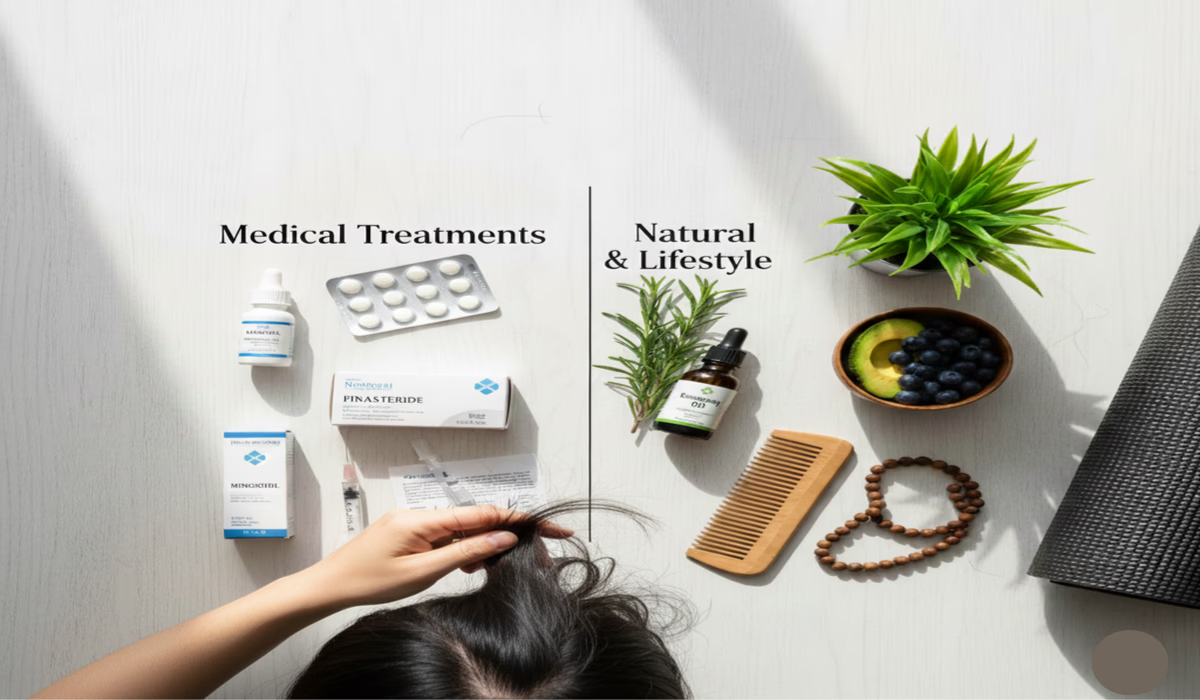
Hair fall is a common problem for both men and women, and it can be frustrating when you notice more strands on your comb, pillow, or shower drain. Although shedding a few strands daily is normal, excessive hair fall may indicate an underlying issue. The good news is that effective hair fall treatments are available, and with the right routine, you can reduce shedding, strengthen your roots, and encourage healthy growth. Understanding the causes and treatments is the first step toward restoring your hair’s health.
Different people experience hair fall for different reasons, such as stress, hormonal imbalance, lack of nutrition, or harsh hair care practices. That’s why choosing the right treatment is important. When you understand what your hair needs and follow a consistent routine, you can significantly improve its condition. In this detailed guide, we will explore home remedies, medical treatments, and lifestyle changes that help reduce hair fall and promote healthier, stronger hair.
Understanding the Causes of Hair Fall
Before choosing a treatment, it’s important to understand what causes your hair to fall. Hair fall often happens when the hair follicles become weak due to poor scalp health, lack of nutrients, or hormonal changes. In some cases, excessive styling or chemical treatments damage the hair strands, making them break easily. Stress and sleep issues can also trigger hair shedding by disrupting the natural hair growth cycle.
Environmental factors like pollution, harsh water, and seasonal changes also contribute to hair fall. When your scalp becomes dry, oily, or unbalanced, it affects the strength of the roots. Identifying the cause helps you choose the right treatment method that addresses the problem naturally and effectively. Once the root cause is clear, treating hair fall becomes much easier and more successful.
Natural Home Remedies for Hair Fall
Home remedies are popular because they are gentle, natural, and easy to follow. Many ingredients found in the kitchen offer powerful benefits for reducing hair fall. These natural treatments help nourish your scalp, strengthen hair roots, and improve moisture levels. They work best when used consistently over time.
Natural remedies may not show instant results, but they support long-term hair health. They help boost blood circulation, provide essential nutrients, and reduce dryness or dandruff that can contribute to hair loss. Here are some safe and effective home treatments to try.
Aloe Vera Treatment
Aloe vera is known for its soothing and healing properties, making it one of the best natural remedies for hair fall. Its gel contains enzymes that promote healthy scalp function and strengthen hair follicles. Applying fresh aloe vera gel to your scalp provides deep hydration and reduces dryness that leads to shedding. Regular use helps balance scalp pH levels, which creates a healthier environment for hair growth.
Aloe vera also reduces dandruff and itching, both of which can cause hair breakage. When applied consistently, it can make your hair softer, shinier, and more manageable. Many people find that aloe vera boosts root strength and reduces excessive hair fall over time.
Onion Juice Treatment
Onion juice is a powerful remedy because it contains sulfur, which boosts collagen and helps hair grow stronger. Sulfur improves blood circulation to the scalp and promotes healthier follicles. Applying onion juice twice a week can help reduce hair fall and support new growth. Although the smell may be strong, the benefits make it worth trying.
Onion juice also has antibacterial properties that help reduce scalp infections, which can contribute to hair fall. When mixed with coconut oil or castor oil, onion juice becomes even more effective. Regular application helps revive thin or weak hair and brings life back to dull strands.
Coconut Oil Massage
Coconut oil is widely used for hair fall treatment because of its deep nourishment and strengthening properties. Massaging warm coconut oil into your scalp helps improve blood flow and strengthen hair roots. It penetrates the hair shaft and prevents protein loss, which is essential for strong, healthy hair. Using coconut oil regularly reduces breakage and adds natural shine.
Coconut oil also protects the hair from environmental damage, dryness, and split ends. People with dry, frizzy, or curly hair especially benefit from its moisturizing properties. A gentle scalp massage with coconut oil two to three times a week can significantly reduce hair fall.
Medical Hair Fall Treatments
Sometimes natural remedies are not enough, especially when the hair fall is caused by medical conditions or severe hormonal changes. In such cases, medical treatments offer more targeted and effective results. These treatments are especially helpful for people experiencing sudden hair loss, pattern baldness, or thinning caused by health issues. Consulting a dermatologist helps you find the right treatment based on your condition.
Medical treatments can be more powerful and provide faster results than home remedies. They work by stimulating the hair follicles, improving blood circulation, and supporting new growth. Below are the most common medical options available.
Minoxidil
Minoxidil is one of the most widely used and effective treatments for hair fall. It is available in liquid or foam form and is applied directly to the scalp. Minoxidil helps stimulate hair follicles and promotes thicker, stronger hair growth. Many people notice results within a few months of consistent use. It is especially effective for pattern hair loss in both men and women.
While Minoxidil is safe for most people, it should be used continuously to maintain results. Stopping the treatment may lead to hair fall returning. If you have sensitive skin, it’s best to consult a dermatologist before starting this product.
PRP (Platelet-Rich Plasma) Therapy
PRP therapy is a modern medical treatment that uses your own blood to stimulate hair growth. The procedure involves drawing a small amount of blood, processing it to separate platelets, and injecting the platelet-rich plasma into the scalp. These platelets contain growth factors that help regenerate hair follicles and improve hair density.
PRP therapy can produce noticeable results within a few sessions, making it a popular choice for people with thinning hair. It boosts natural growth and improves the strength and texture of hair. Although it can be expensive, PRP offers long-lasting benefits with minimal side effects.
Laser Hair Therapy
Laser hair therapy uses low-level laser light to stimulate hair follicles and promote growth. It improves scalp circulation and helps hair grow thicker and healthier. This treatment is painless and can be done at clinics or with at-home laser devices. It is suitable for people experiencing mild to moderate hair thinning.
Laser therapy works best when combined with other treatments like Minoxidil or PRP. Consistent use over several months can lead to visible improvements in hair volume and density. It’s a non-invasive treatment option that suits many individuals seeking gentle but effective results.
Diet and Nutrition for Hair Fall Treatment
A healthy diet plays a major role in reducing hair fall and improving hair growth. Hair needs essential nutrients like protein, vitamins, and minerals to stay strong. A deficiency in nutrients like iron, zinc, vitamin D, or biotin can lead to hair thinning. Eating a balanced diet ensures your scalp and follicles receive the nourishment they need.
Protein-rich foods such as eggs, fish, lentils, and nuts are important for healthy hair. Adding leafy greens, berries, and fruits to your diet helps improve hair texture and reduces shedding. Staying hydrated also supports scalp health and prevents dryness. When combined with other treatments, proper nutrition gives excellent long-term results.
Lifestyle Changes to Reduce Hair Fall
Small changes in daily habits can make a big difference in reducing hair fall. Stress is a major cause of hair shedding, so practicing relaxation techniques can help maintain a healthy hair growth cycle. Getting enough sleep also supports scalp health and reduces hormonal imbalances that contribute to hair fall. Healthy lifestyle habits help your hair stay strong from the inside out.
Avoiding excessive heat styling, chemical treatments, and harsh brushing can help protect your hair. Choosing gentle shampoos and following a regular hair care routine improves overall hair strength. When combined with treatments and good nutrition, these lifestyle changes support long-term hair growth and health.
When to See a Doctor for Hair Fall
If your hair fall continues despite home remedies and lifestyle changes, it may be time to see a dermatologist. Sudden or severe hair loss, bald patches, or thinning at the crown can indicate underlying health issues. Conditions like thyroid disorders, hormonal imbalance, or nutrient deficiencies often require medical attention.
A dermatologist can diagnose the cause through tests and recommend the right treatment. Early diagnosis helps prevent further damage and improves the chances of restoring healthy hair. Professional guidance is essential for cases that do not improve with regular care.
Conclusion
Hair fall can be concerning, but with the right approach, it can be managed effectively. Whether you prefer natural remedies, medical treatments, or lifestyle changes, each method plays a role in improving hair health. The key is consistency, proper care, and understanding what your hair needs. With time, patience, and the right hair fall treatments, you can restore your hair’s strength, reduce shedding, and encourage healthy growth. Healthy hair begins with a healthy routine, and taking small steps every day can make a big difference.
FAQs
What is the most effective treatment for hair fall?
Minoxidil, PRP therapy, and natural remedies like aloe vera are highly effective depending on the cause of hair fall.
Can home remedies stop hair fall completely?
Home remedies help strengthen hair roots and reduce shedding, but severe cases may need medical treatment.
How long does it take to see results from hair fall treatments?
Most treatments show visible results in 2–3 months with consistent use.
Does diet affect hair fall?
Yes, nutrient deficiencies can cause hair fall. A balanced diet supports stronger and healthier hair.
When should I see a doctor for hair fall?
If you experience severe shedding, bald patches, or persistent hair fall, it’s best to consult a dermatologist.