Healthy hair depends on more than just good products and a proper hair care routine. The nutrients you consume play a major role in how strong, shiny, and thick your hair becomes. Many people experience hair fall, thinning, or slow growth simply because their bodies are lacking certain vitamins and minerals. Understanding the best vitamins and minerals for hair health can help you nourish your hair from within and achieve long-term improvements. When your body gets the right nutrients, your hair follicles become stronger and more active.
Hair is made of protein, vitamins, and minerals, so it needs a steady supply of nutrition to grow well. Deficiency in even one key nutrient can lead to noticeable changes like dullness, breakage, or excessive shedding. While external treatments help the surface, internal nutrition ensures that new hair grows healthier and more resilient. This guide explains the essential nutrients your hair needs and how each one contributes to better hair health.
Why Vitamins and Minerals Matter for Hair Health
Hair growth occurs in cycles, and each stage depends on a healthy supply of nutrients. Vitamins and minerals support blood circulation to the scalp, strengthen hair follicles, and encourage faster and stronger growth. When your diet lacks these nutrients, your hair becomes weak, brittle, or thin. This is why balanced nutrition is just as important as using good shampoos or oils.
Nutrient deficiencies can also affect scalp health, leading to dryness, dandruff, and inflammation. These issues further slow down hair growth and cause breakage. When your body receives the necessary vitamins and minerals, your hair becomes smoother, thicker, and less prone to damage. Understanding your nutritional needs is the first step toward improving hair quality naturally.
Biotin: The Essential Vitamin for Strong Hair
Biotin, also known as vitamin B7, is one of the most popular vitamins for hair health. It supports keratin production, which is the main protein that makes up your hair. Biotin improves hair strength, reduces breakage, and helps with thicker hair growth. People who are deficient in biotin often experience thinning or brittle hair, making supplementation helpful for many individuals.
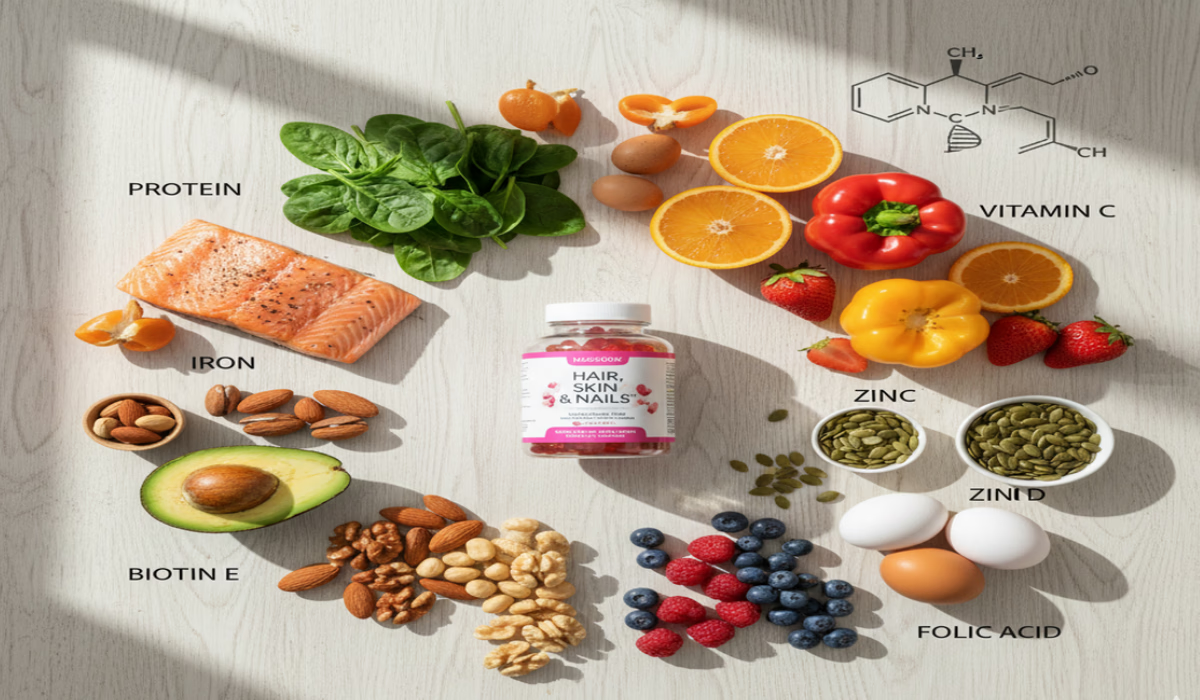
Foods rich in biotin include eggs, almonds, sweet potatoes, and spinach. Adding these foods to your diet can support natural growth and improve shine. While biotin supplements are widely available, getting it from whole foods is also effective. Consistent intake helps your hair stay stronger and reduces everyday breakage.
Vitamin A for Scalp Moisture and Growth
Vitamin A plays an important role in maintaining a healthy scalp. It helps produce sebum, a natural oil that keeps your scalp moisturized and prevents dryness. A healthy scalp environment encourages hair growth and reduces issues like flakiness or irritation. When your scalp is balanced and nourished, your hair grows more smoothly and looks more vibrant.
However, too much vitamin A can cause hair fall, so it’s important to consume it in moderate amounts. Foods like carrots, pumpkins, sweet potatoes, and leafy greens provide a healthy supply of this nutrient. Including these foods helps maintain moisture levels and supports stronger, healthier strands.
Vitamin C for Collagen and Stronger Hair Structure
Vitamin C is a powerful antioxidant that helps protect hair from free-radical damage. It plays a major role in collagen production, which strengthens hair and supports its natural structure. A lack of vitamin C can make hair weak and more prone to breakage. This vitamin also helps the body absorb iron, another essential mineral for hair health.
Citrus fruits, strawberries, broccoli, and bell peppers are excellent sources of vitamin C. Including them in your everyday meals helps promote stronger growth and reduces oxidative stress on the follicles. Regular intake enhances shine, smoothness, and overall hair resilience.
Vitamin D for Reducing Hair Fall
Vitamin D plays a major role in hair follicle activity and growth. A deficiency in this vitamin is commonly linked to hair thinning, hair fall, and conditions like alopecia. Vitamin D helps activate new follicles and encourages stronger and healthier regrowth. It also supports scalp health, which is essential for preventing shedding.
Sunlight is one of the best natural sources of vitamin D, but foods like fortified milk, salmon, and egg yolks also help. Many people benefit from supplementation because modern lifestyles often limit sun exposure. Maintaining healthy vitamin D levels can significantly reduce hair fall and improve growth patterns.
Vitamin E for Shine and Scalp Circulation
Vitamin E is known for improving blood circulation and promoting a healthy scalp environment. Better circulation means more nutrients reach the hair follicles, improving growth and strength. Vitamin E also works as an antioxidant, protecting your hair from damage caused by heat, pollution, and UV rays. These benefits help maintain shine and softness.
Nuts, seeds, spinach, and avocado are rich in vitamin E. You can also use vitamin E oil on your scalp for added nourishment. When taken regularly, vitamin E supports long-term hair health and keeps your strands strong and glossy.
Iron for Reducing Hair Thinning
Iron is one of the most important minerals for hair health because it helps deliver oxygen to your hair follicles. Low iron levels are a common cause of hair thinning, especially in women. Without enough iron, your follicles weaken and shrink, leading to slow growth and excessive shedding. Restoring iron levels often results in noticeable improvement in thickness.
Foods like red meat, lentils, spinach, and beans provide an excellent source of iron. Pairing iron-rich foods with vitamin C boosts absorption and maximizes benefits. Maintaining healthy iron levels helps restore strength and prevents long-term thinning.
Zinc for Hair Repair and Follicle Strength
Zinc plays a vital role in repairing hair tissues and keeping oil glands balanced. It helps maintain strong hair follicles and reduces shedding caused by hormonal or environmental issues. Zinc deficiency often leads to hair loss, thinning, and scalp problems like dryness or flakiness. Ensuring enough zinc in your diet supports healthier and thicker strands.
Foods like chickpeas, pumpkin seeds, nuts, and whole grains are rich in zinc. This mineral also boosts immunity, which indirectly supports a healthy scalp. Zinc is especially important for people experiencing excessive shedding or weak hair structure.
Omega-3 Fatty Acids for Smooth and Nourished Hair
Omega-3 fatty acids are healthy fats that deeply nourish your scalp and improve hair elasticity. These fats help reduce inflammation, which can affect hair follicles and lead to shedding. Omega-3s make your hair softer, shinier, and less prone to breakage by keeping it moisturized from within. They also support healthy scalp function and reduce dryness.
Foods like salmon, walnuts, chia seeds, and flaxseeds are excellent sources. Including them regularly helps improve hair texture and overall health. Omega-3 supplements are also popular for boosting shine and supporting healthier growth.
Magnesium for Better Hair Growth
Magnesium supports protein synthesis, which is essential for building strong hair. Low magnesium levels can lead to hair fall, stress, and slow growth. This mineral also helps balance calcium levels in the hair follicles, preventing dryness and blockage. Proper magnesium intake improves circulation and supports healthier, fuller hair.
Green leafy vegetables, nuts, whole grains, and bananas are rich in magnesium. Consuming these foods daily ensures your hair stays nourished and strong. When paired with other minerals, magnesium plays a supportive role in overall hair health.
Protein: The Foundation of Healthy Hair
Hair is primarily made of a protein called keratin, so getting enough protein in your diet is essential. Without adequate protein, your hair becomes weak, thin, and prone to breakage. Protein helps build strong follicles and supports faster, healthier growth. It also helps repair damage caused by styling or environmental stress.
Foods like eggs, chicken, fish, dairy, lentils, and nuts provide high-quality protein. Including them in your meals ensures your hair receives the building blocks it needs to stay healthy. Balanced protein intake results in thicker, fuller, and more resilient strands.
Selenium for Scalp Balance
Selenium is a mineral that supports scalp health and helps prevent dandruff. It protects hair follicles from oxidative stress and encourages healthy growth. A deficiency in selenium can lead to scalp inflammation, which affects the growth cycle and leads to hair fall. Selenium also works with antioxidants to keep the scalp clean and balanced.
Foods like Brazil nuts, eggs, sunflower seeds, and tuna are rich in selenium. Consuming the right amount supports a healthier scalp environment and reduces problems that slow down hair growth. Selenium works well alongside other minerals to support long-term hair health.
How to Include These Nutrients in Your Diet
Getting the best vitamins and minerals for hair health does not require complicated changes. Adding nutrient-dense foods to your daily meals makes a big difference. Eating a mix of fruits, vegetables, proteins, nuts, and whole grains ensures your body receives everything it needs. Hydration also plays an important role in keeping your scalp moisturized and balanced.
If your diet lacks variety, supplements can help fill the gaps. However, it’s a good idea to consult a healthcare professional before starting new supplements, especially for iron or vitamin D. Combining a balanced diet with proper hair care gives the best long-term results.
Conclusion
Healthy hair starts from within, and giving your body the right nutrients can transform your hair naturally. Vitamins and minerals like biotin, vitamin D, vitamin C, zinc, and iron play essential roles in strengthening follicles, improving growth, and reducing hair fall. When you consistently include these nutrients in your diet, your hair becomes stronger, thicker, and more vibrant. Pairing internal nutrition with good hair care practices ensures long-term health and beauty for your hair. With a balanced lifestyle and nutrient-rich meals, you can enjoy healthier hair that looks and feels its best.
FAQs
Which vitamins are most important for hair growth?
Biotin, vitamin D, vitamin C, and vitamin E are among the most important vitamins for supporting strong and healthy hair growth.
Can vitamin deficiencies cause hair fall?
Yes, deficiencies in vitamins like D, B7, and minerals such as iron or zinc can lead to noticeable hair fall and thinning.
Are supplements necessary for healthy hair?
Supplements help if you have a deficiency, but it’s best to get most nutrients from whole foods whenever possible.
How long does it take to see results from vitamins for hair?
Most people see improvements in 8–12 weeks with consistent nutrient intake and a balanced diet.
Which foods help improve hair health naturally?
Eggs, nuts, salmon, spinach, fruits, and whole grains provide essential vitamins and minerals that support healthier hair.